
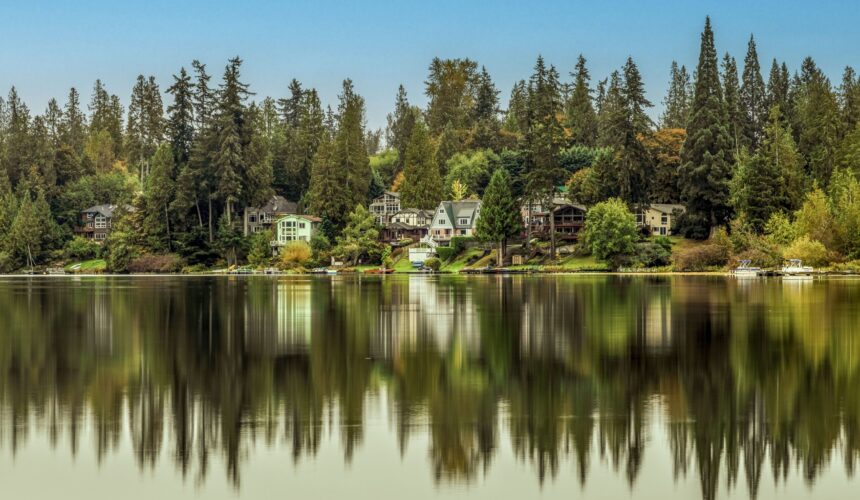
June marks the official start of summer in Vancouver WA, and for custom home builders, it's the beginning of prime construction season. If you've been wondering whether you missed your window to break ground this year or if you should wait until next spring, the answer might surprise you. June through September offers the most reliable weather for foundation and framing work in the Pacific Northwest, and locking in your build slot now positions you for a smooth construction timeline through fall.
At Marnella Homes, we've built 500+ custom homes across the Vancouver and Portland metro area since 1986. We've learned that timing your build to align with Pacific Northwest weather patterns isn't just about convenience. It directly affects your project timeline, budget predictability, and the quality of work behind your walls.
Vancouver WA Building Season: What Makes June the Sweet Spot

The Pacific Northwest doesn't follow the same construction calendar as Phoenix or Houston. Our wet winters and unpredictable spring weather compress the ideal building window into a shorter season. June solves several problems at once.
Foundation Work Loves Dry Ground
Foundation crews need stable, dry soil conditions for excavation, forming, and concrete pours. A single week of June rain in Vancouver is very different from the persistent drizzle of March or April. Ground temperatures are warm enough for proper concrete curing without requiring expensive blankets or accelerants. You're not fighting standing water in your excavation or waiting three extra days for the site to dry out between pours.
We've seen projects delayed by two to three weeks simply because an April start date turned into daily mud management instead of foundation progress. June eliminates most of that risk.
Framing Benefits from Extended Daylight
Longer daylight hours in June mean framing crews can work full shifts without artificial lighting. A crew that starts at 7 AM in June can frame until 6 or 7 PM in natural light. That's two to three extra hours per day compared to a November start, and it compounds across the framing phase.
Framing also benefits from warm, dry conditions. Lumber stays dimensionally stable. Crews aren't stopping work every hour to tarp materials or wait out a passing shower. The rhythm of work stays consistent, which keeps your timeline predictable.
Subcontractor Availability Peaks in Early Summer
Here's something most homeowners don't realize: the best plumbers, electricians, and HVAC techs in Vancouver WA book their schedules months in advance. By June, they've locked in their summer and fall projects. If you start planning your custom home now, you're securing slots with top-tier trade partners before the September rush.
Wait until fall to start planning, and you're competing for January or February availability, which pushes your foundation work into spring. You've just added six months to your timeline without touching a shovel.
Summer Construction Timeline: What to Expect from June to November
A June start doesn't mean your home finishes in June. It means your foundation, framing, and exterior envelope (the weather-critical phases) happen during the driest, most predictable months. Interior work can continue comfortably through fall and winter once the structure is dried in.
June Through August: Foundation, Framing, and Envelope
These three months handle the heavy lifting. Excavation, foundation pour, framing, roof installation, and window/door installation all happen while weather is on your side. A typical custom home in Vancouver WA can move from bare lot to dried-in structure in 10 to 14 weeks if conditions cooperate.
Once your home is dried in (roof on, windows and doors installed, exterior sheathing and weather barrier complete), rain becomes irrelevant. Interior crews work in a controlled environment from that point forward.
September Through November: Interior Rough-Ins and Insulation
Fall is ideal for plumbing, electrical, HVAC rough-ins, and insulation. Your home is protected from weather. Temperatures are still moderate, so materials handle well and crews stay productive. This is also when we perform blower door testing to verify your home's envelope performance before drywall goes up, because problems are exponentially cheaper to fix at rough-in than after finishes are installed.
December Through March: Finishes and Final Systems
Drywall, paint, flooring, cabinetry, countertops, fixtures, and final trim happen in winter. None of these phases care about exterior weather. You're working indoors, and the only variable is lead time on your finish selections (which we lock in during pre-construction to avoid delays).
A June start typically puts you in your new home by March or April of the following year. A February start (waiting through another winter) pushes move-in to November or December, assuming no weather delays during spring foundation work.
Pacific Northwest Building Weather: Why Fall Framing Is Riskier Than You Think
We occasionally get calls in September or October from homeowners who want to break ground before winter. The question is always the same: "Can we start now and finish before the rain really hits?"
The short answer is no, not if you want the quality of work you're paying for.
Moisture and Building Science Don't Negotiate
High-performance homes (which is the only type we build) require meticulous attention to moisture management. That means proper flashing details, sealed seams, and continuous air barriers. These details are exponentially harder to execute when crews are working in wet conditions.
A framing crew trying to install ZIP System sheathing in November rain is fighting a losing battle. Tape won't adhere to wet surfaces. Sealant won't cure properly. You end up with compromises that show up years later as air leakage, moisture intrusion, or failed insulation performance.
We've remediated enough "projects gone wrong" from other builders to know what happens when construction starts in the wrong season. Owners call us two or three years after move-in with mold in wall cavities, ice dams on the roof, or significantly elevated heating bills in a home that was supposedly "energy efficient." When we open the walls, we find exactly what you'd expect: details that were never executed correctly because weather didn't allow it.
Code Inspectors Don't Care About Your Deadline
Vancouver and Portland-area building inspectors are thorough, which is a good thing. But inspections take longer when weather slows everyone down. A foundation inspection that happens in two days during June might take a week in January because the inspector is managing a backlog of weather-delayed projects.
Factor in holidays, and a foundation pour scheduled for mid-December might not get inspected until early January. Your framing crew is sitting idle, and you're paying for the delay.
What It Means to Lock in a Build Slot Now Versus Waiting Until Next Spring
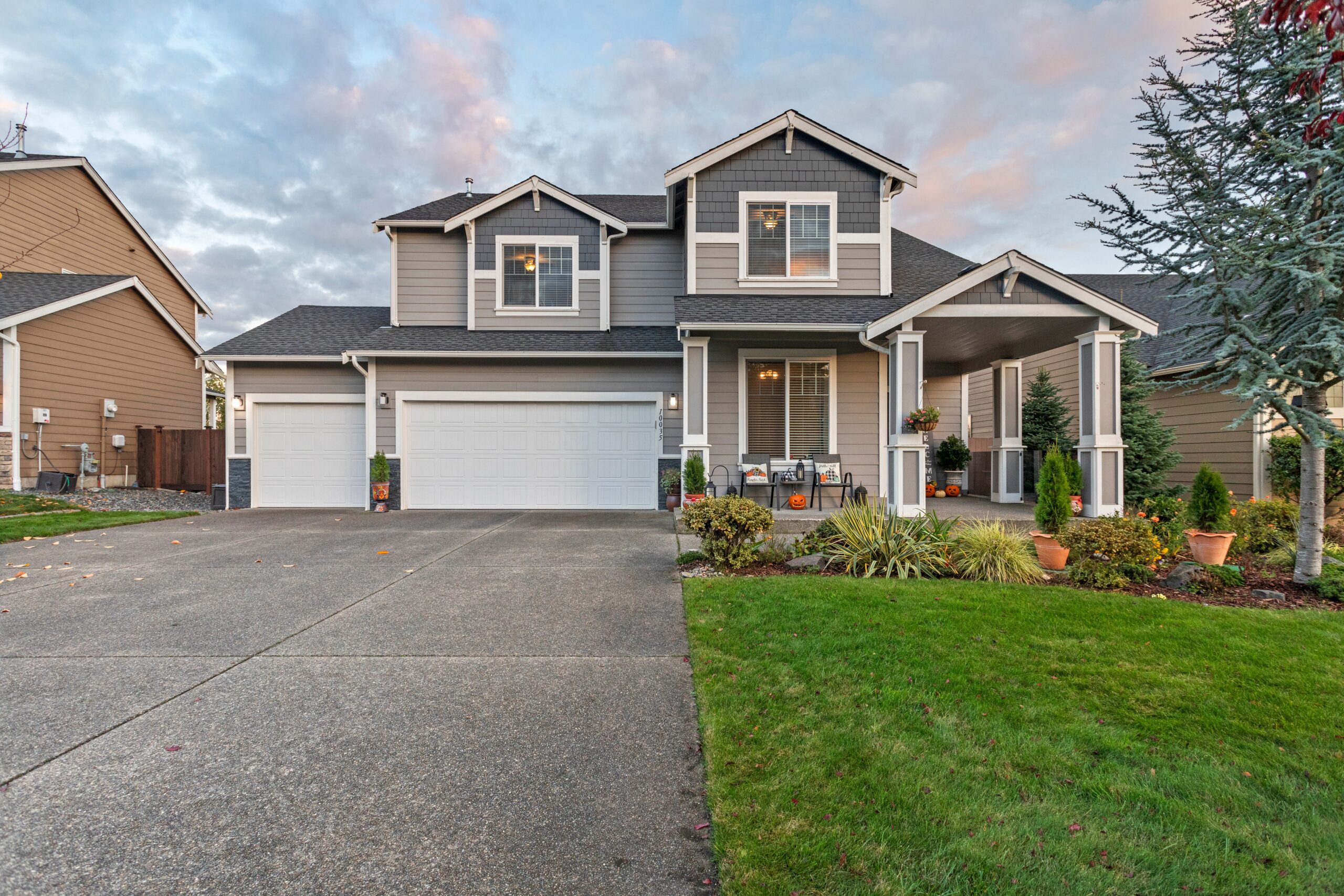
This is the decision point most Vancouver-area homeowners face in June: start planning now for a late summer or early fall groundbreaking, or wait until next spring and hope for an April start.
Planning Takes Longer Than You Think
Even if you called us today, you wouldn't break ground tomorrow. A properly planned custom home requires design development, technical plan review, permitting, and pre-construction coordination. That process typically takes 12 to 16 weeks for a design-build project, longer if you're bringing your own architect.
If you start that process in June, you're looking at a September or October groundbreaking, which is still inside the weather window if we move efficiently. If you wait until September to start planning, you're pushing groundbreaking to December or January, and we're back to the problems outlined above.
Permitting Timelines Don't Pause for Holidays
Clark County and Vancouver permitting departments slow down in November and December. Staff takes vacation. Plan review timelines stretch. A permit application submitted in October might not be approved until January, even for a straightforward project.
Submit that same application in July, and you're typically approved by September. The calendar matters more than most people realize.
Material Lead Times Are Longer in Fall
Windows, doors, specialty plumbing fixtures, and custom cabinetry all have lead times. Those lead times stretch in fall as manufacturers ramp down for the holidays. A window order placed in June ships in eight weeks. The same order placed in November might not ship until February.
We build lead time buffers into every schedule, but there's only so much buffer we can add before the project timeline becomes unworkable. Starting in June gives us margin. Starting in late fall compresses everything.
Why Marnella Homes Starts Every Project with Technical Plan Review
One of the biggest risks in custom home building is discovering a problem after construction starts. Maybe the septic system can't go where you thought. Maybe the second-story addition requires a beam that wasn't in the original budget. Maybe the HVAC system your architect specified won't actually heat the master bedroom.
We eliminate those surprises with technical plan review before we break ground. Our team reviews your architectural plans with structural engineers, energy modelers, and trade partners to catch conflicts, code issues, and constructability problems while they're still lines on paper.
This process has saved clients significant money in change orders and weeks of schedule delays. It's also why we can give you a firm budget and timeline before construction starts, instead of the vague estimates you'll get from builders who skip this step.
Energy Modeling Isn't Optional in the Pacific Northwest
Vancouver WA has a temperate climate, but it's not a forgiving one for poorly designed homes. We get cold, wet winters and warm, dry summers. Your HVAC system needs to handle both extremes efficiently, and the only way to know it will is to model the building's energy performance before construction.
We run energy simulations on every custom home we build. The model tells us where heat loss will occur, whether your insulation strategy is adequate, and how your window placement affects heating and cooling loads. We make adjustments at the design stage, not after drywall is up.
This is part of our process toward building Net-Zero Ready homes, which we've been doing since 2005. Long before it was trendy, we recognized that energy independence and long-term performance are non-negotiable in a well-built home.
Real Concerns We Hear from Vancouver-Area Homeowners
You're not the first person to wonder if June is too late to start or if waiting makes more sense. Here are the objections we hear most often, and what the honest answers are.
"We're Worried About Going Over Budget"
Budget anxiety is the number one concern for every custom home client, and it's completely legitimate. The best defense against budget overruns is thorough upfront planning and a builder who locks in costs before construction starts.
We provide a fixed-price contract after design and selections are finalized. That number includes everything: permits, materials, labor, site work, and our fee. The only way the budget changes is if you change the scope, and even then, we price the change order before proceeding.
Starting in June gives us time to coordinate that planning without rushing. Rushing is where budget mistakes happen.
"How Do We Know You Won't Disappear Mid-Project?"
This fear exists because it happens. Builders take deposits, start work, then vanish or go bankrupt halfway through. You're left with an unfinished home, lost money, and no clear path forward.
We've been building in Vancouver and Portland since 1986. We've delivered 500+ homes and maintained relationships with clients decades after their projects finished. We're not a startup or a side hustle. This is a generational business built on reputation, and our third-party 10-year structural warranty backs every home we build.
You can also visit our completed projects, talk to past clients, and review our verified certifications (NGBS, DOE Zero Energy Ready). Transparency isn't a marketing claim for us. It's how we operate.
"The Timeline Sounds Too Long"
Nine to fourteen months from groundbreaking to move-in feels long, especially when you're eager to get into your new home. But here's the reality: a well-built custom home takes time, and shortcuts in the schedule always show up later as quality issues.
Production builders can move faster because they're repeating the same plan with the same materials and the same trade crews on every lot. You're not getting custom. You're getting a pre-designed product with minor variations.
Custom means your home is designed specifically for your lot, your lifestyle, and your priorities. It means we're coordinating unique details, verifying performance with third-party testing, and building relationships with you throughout the process. That doesn't happen in six months, and anyone who promises it is either cutting corners or setting you up for disappointment.
Frequently Asked Questions
Is June too late to start a custom home this year in Vancouver WA?
No. June is actually the ideal time to begin planning. If you start the design and permitting process now, you can break ground in September or October and complete all weather-critical work (foundation, framing, and drying-in) before winter weather arrives. Interior work continues comfortably through fall and winter once the envelope is sealed.
What's the biggest risk of waiting until next spring to build?
You're adding six to nine months to your overall timeline, competing for subcontractor availability during the spring rush, and risking foundation delays due to unpredictable wet weather in March and April. Spring starts also compress your construction window, often pushing finish work into the next winter instead of completing the project in one continuous cycle.
How does Vancouver WA weather affect custom home construction schedules?
Pacific Northwest weather creates a narrow window for exterior work. June through September offers the most reliable conditions for foundation pours, framing, and roof installation. Once your home is dried-in (weather-tight), rain no longer affects progress. Projects that start in late fall or winter face delays, moisture management challenges, and higher costs due to weather protection and slower work pace.
Do you build through the winter in Vancouver WA?
Yes, but only interior work. Once a home is dried-in (roof, windows, doors, and exterior sheathing complete), we continue plumbing, electrical, HVAC, insulation, drywall, and finishes regardless of weather. We do not pour foundations or frame in winter except under very specific conditions with added costs for weather protection and schedule risk.
Your dream home doesn't have to wait another year. June is the starting line for Vancouver WA's peak building season, and the decisions you make now determine whether you're moving in next spring or still waiting for another construction cycle.
Marnella Homes has spent nearly four decades perfecting the custom home process in the Pacific Northwest. We know this climate, these building codes, and the trade partners who deliver quality work on schedule. Our 7-step process, technical plan review, and independent third-party verification ensure your home performs exactly as promised, and our transparent communication means you're never wondering what's happening on your job site.
If you've been thinking about building a custom home in Vancouver WA, now is the time to start the conversation. Get your summer build slot reserved while weather, subcontractor availability, and permitting timelines are all in your favor. Contact us today.
Related: Learn more about our Vancouver, WA service area.
